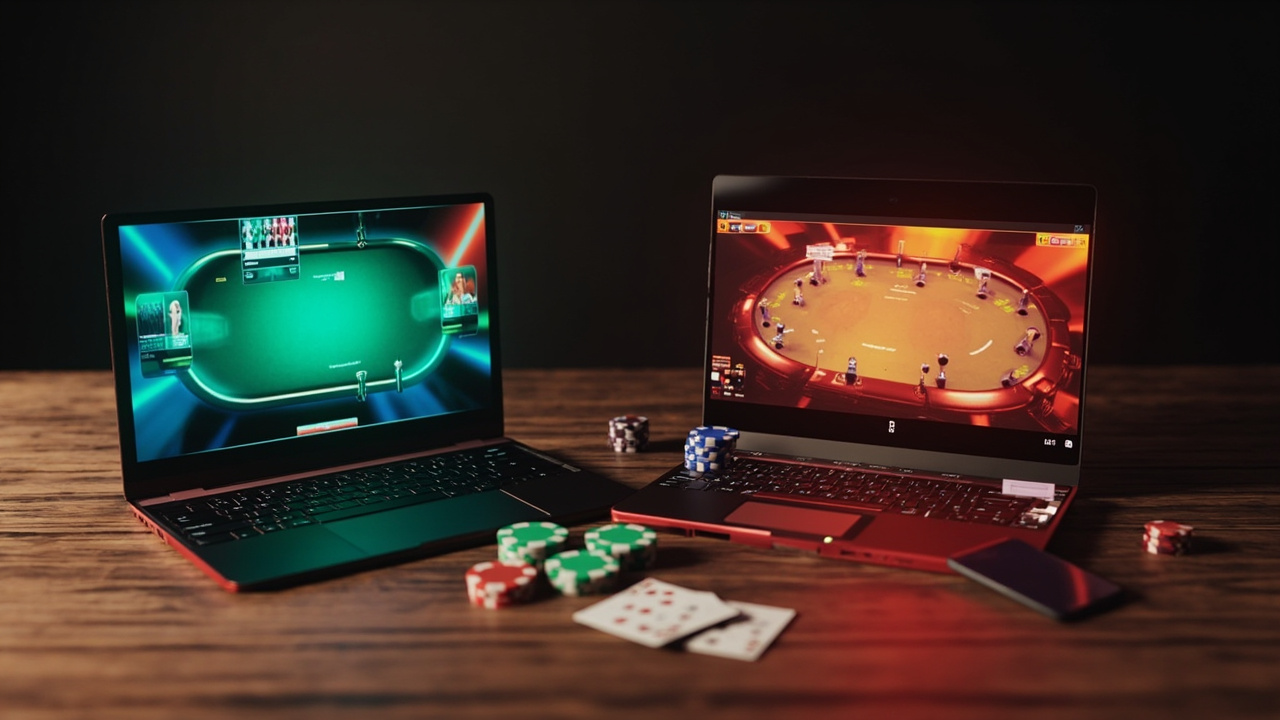
Virtual reality is changing how Aussies play cards, turning a quiet digital lobby into something closer to a live deal. For anyone curious about putting on a headset and sitting at a felt table, vr casino blackjack offers a layered experience that sits somewhere between a solo app and a crowded pub game. It is not magic, but it is a different kind of session, and it pays to know what you are actually signing up for before you spend an arvo in the headset.
What the lobby looks like on a headset
The lobby itself is where the whole experience starts, and it is a far cry from a flat list of thumbnails. You step into a rendered space, usually a lounge or a club-style room, and tables are arranged around you rather than stacked in rows on a screen. Search works by voice or by walking toward a sign, which sounds fancy until you realise it is just a cleaner way to find a game without scrolling forever. The mix leans hard on table and live content, with a smaller but decent selection of slots tucked into a side room so the main floor stays focused on cards and wheels. Providers are clearly tagged on each table, which matters because a common deck and a familiar dealer cadence make the session feel less like a graphics demo and more like a proper game. If you want to see how the lobby is organised before you commit, the entry point at https://casoola-casin0.com/ lays out the current table mix and the providers behind it, so you can tell whether the room is worth your time.
The table experience, the limits, and the trade-offs
The feel of a real deal
Sitting down at a virtual table, the first thing you notice is the pacing. A good deal moves like a well-run shift at a busy pub, not a delayed Sydney train where every hand waits on something else. Dealer gestures, chip stacks, and the turn of a card all carry weight because your hands are in the room, even if the cards are digital. That physical presence changes how you play, because you are less likely to rush a decision when you are actually reaching for a virtual chip rather than tapping a button. It is a genuine upside for players who want the ritual of the game without the noise of a packed venue, and it can make a quiet session feel more deliberate than a solo app ever would.
Where the tech falls short
The catch is that the tech still asks a lot of you. A headset is a proper piece of kit, and not everyone wants to wear one for a long session, especially when the battery starts to fade and the room gets warm. Graphics are solid but not flawless, and a busy table can feel a touch crowded, more like a packed Melbourne tram at peak hour than a quiet private game. Latency matters too, because a laggy deal breaks the rhythm and turns a smooth hand into a fiddly one. There are also trade-offs in the game mix, since some providers focus on spectacle and others on a cleaner, more traditional deal, so the room you pick shapes the session as much as the cards do.
Bankroll and the mug punter reality
Money management is where the novelty can quietly work against you. The immersive feel makes it easy to lose track of time, and that is exactly how a mug punter ends up chasing a bad run that would have been obvious on a flat screen. Limits and bet sizes are still set by the platform, so the headset does not change the maths, but it can soften your judgement if you are not watching the clock. A practical way to handle a tough spot is to read up on a practical guide to hard 15 blackjack decisions before you sit down, because knowing when to fold a weak hand matters more than the gloss of the room. The experience is better when you treat it like a session with a plan, not a toy that happens to deal cards.
Who this suits and who should give it a miss
This format suits players who already enjoy the rhythm of a live table and want a more private version of it, especially if they are playing from home and do not want the distractions of a crowded room. It is also a reasonable fit for people who like the look and feel of a rendered space and are happy to spend on the headset as a one-off cost. It is less suited to anyone who wants a quick, no-fuss session on a phone, or to players who find the hardware fiddly and would rather not set it up for a single hand. Registration and payments are handled in the platform’s usual currencies, with the standard verification steps in place, so the novelty does not shortcut the boring but necessary bits. Support and loyalty features sit alongside the usual account tools, which means the room is only one part of the overall setup, not the whole story. A Practical Guide to Hard 15
Isla Taylor, Risk and Integrity Manager, Kangaroo Point Analytics, puts it plainly: “Immersion can soften judgement, so the players who do best are the ones who treat the headset as a venue, not a toy.” That is a fair caveat, and it is the kind of line that matters more than any flashy lobby shot. Samuel Bennett, Managing Partner, Murray River Gaming Research, is equally measured: “The tech is improving, but the session still comes down to discipline, bankroll, and knowing when to walk away.” Both points land because the room can look convincing while the underlying game still demands the same restraint you would bring to any card table.

The short version is that vr casino blackjack is a solid option for players who want the feel of a live deal without leaving home, provided they are happy with the hardware and the limits that come with it. It is not a shortcut to better results, and it is not for everyone, but for the right player it turns a digital session into something closer to a proper table game.